
Modern retailers have definitely lost a lot when the e-commerce market boomed. We’ve seen several closures between foreign and domestic brands, as well as department stores. Many physical-store retailers have shut down their businesses at a record-breaking speed in the last few years. Unfortunately, this grim phenomenon is expected to grow in 2020, resulting in a major decline in virtually all forms of business from clothing lines to electronics and home goods. Here is a list of businesses that will close some of their stores, if not all of them, by 2020.

Say Goodbye To These Stores In 2019
Payless
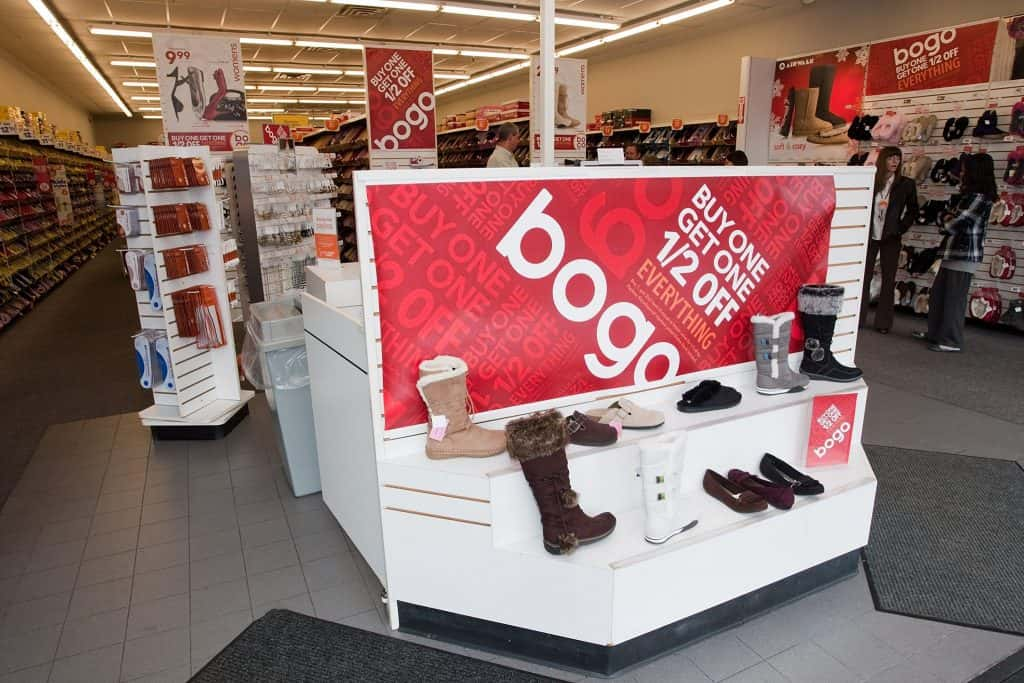
Payless ShoeSource has the most number of shop closures of all companies that will be closing their shops this year. The company is closing over 2,500 stores, where clearance sales are currently underway to get rid of and liquidate their products. Although some stores will remain open until May, the other stores will close as early as March’s last week.
Payless
Gymboree
Gymboree Group Inc., a manufacturer of children’s clothes, filed for bankruptcy protection under Chapter 11 in the middle of January. They also announced the closing of approximately 800 Crazy 8 and Gymboree stores across Canada and the U.S. Since then, it has stopped accepting any online transactions, but the stores are still in liquidation. This is the second time Gymboree filed for the bank
Gymboree
Charlotte Russe
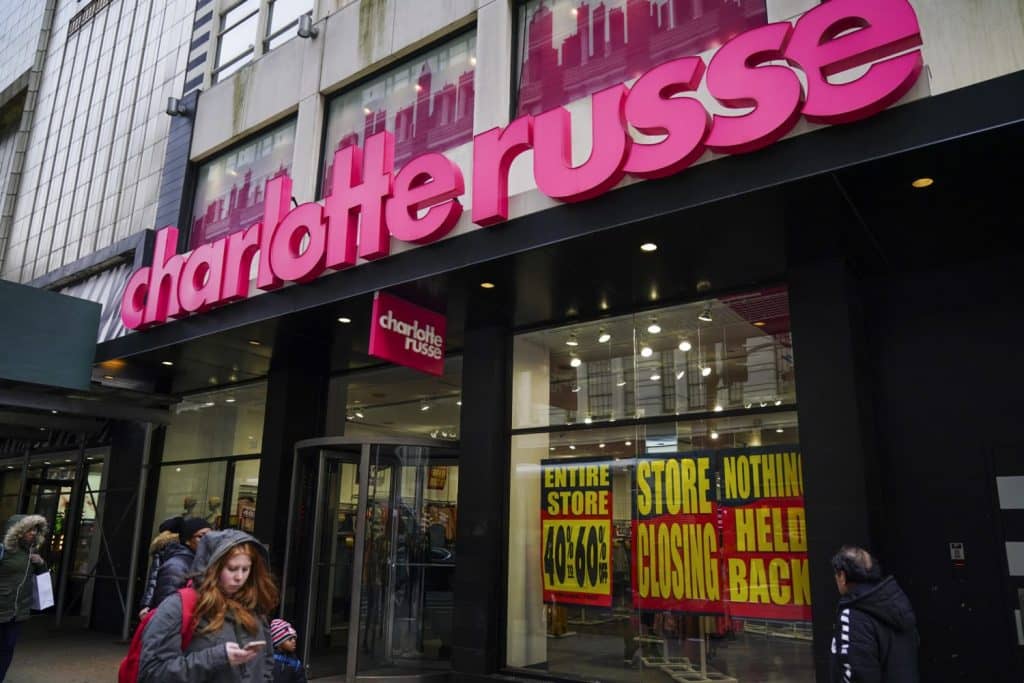
Charlotte Russe also announced in March that the whole store is going to close. It covers over 500 stores around the country. The company had recently announced the closing of 94 of its outlets. The remaining stores eventually closed on April 30. They had already started distributing online, but customers were still able to purchase goods on sale after their liquidation in a variety of places.
Charlotte Russe
Shopko
After Shopko revealed its plan to close about 70% of its stores by May, Shopko reversed its statement that it would shut all of its stores for good. In January, Shopko filed for bankruptcy and hoped that the bidder would help save his remaining stores. Unfortunately, they didn’t find a bidder, so now they’re trying to get rid of their products and liquidate and close all stores by June of this year.

Shopko
Gap
In the next two years, Gap Inc. will close about 230 of its stores around the world-about half of the overall number of its outlets. The company wants to renovate the Old Navy, the sister company of Gap, as a separate corporation. That is because both the Banana Republic and Distance have been consistently outstripped by the Old Navy in revenue. Stores that are now operating, such as Intermix, Athlete, Hill City, Banana Republic, and Gap stores, will continue to run under NewCo, their new brand.

Gap
H&M
H&M could lose its position as a staple mall after 2020. Over the course of the year, 160 stores will be closing in an attempt to maximize business. The move was determined because of the challenging competition for the brand in the U.S. Nevertheless, it is witnessing a steadier rise overseas. Upon recognizing this, the company expects to open up 355 new stores in 2020. Nonetheless, the location of the stores in question will mainly be outside the United States and Europe.

H&M
Starbucks
Last summer, Starbucks announced that its 150 underperforming stores would be completely closing in 2020. That amount is three times the average number that will close every fiscal year. The organization has announced that closures will mainly hit over-saturated markets and major cities, where divisions of the coffee chain compete against each other.

Starbucks
The Children’s Place
The Children’s Place recently revealed a strategy for closing down 300 companies which were inefficient by 2020. Forbes states that 191 of its outlets were closed before 2018 and there are still more than 100 shops to close. The Children’s Place also spends a great deal of money to enhance its web visibility and increase its revenues.

The Children’s Place
Performance Bicycle
To cyclists, this is bad news since the country’s largest bicycle distributor closed for good. All 104 shops were shut down, with the last shut on 2 March. Last fall, Advanced Sports Enterprises ‘parent company lodged a bankruptcy proposal. Next, it expected that, by renegotiation of its contracts, it would save at least 50% of the bike store locations. Yet eventually, it had to fold and close the company down.

Performance Bicycle
Sears
Sears Holdings, which manages Kmart as well as its iconic supermarkets, reported earlier this year that it will be closing about 89 shops by March. The list of shops closed reveals that points across the United States are affected. While seven stores were shut down in both states, Florida and Texas seem to have seen the most effects.

Sears
Vera Bradley
Rather than getting real physical stores, Vera Bradley reconsidered its company tactics. The business is distributing its own products in other supermarket stores such as Macy’s and Bed Bath and Beyond. By 2021, after all of its leases have expired, the company expects to shut up 50 of its 110 outlets. Yet buyers will also have the chance to visit a Vera Bradley shop, as 52 of them are still open.

Vera Bradley
Abercrombie & Fitch
Abercrombie & Fitch announced that 40 of their stores, mostly in the USA, will be closing by next February. It is marginally more than the 29 shops it sold in 2018. It’s all evil, though. “Some 85 new offerings are being introduced, including 40 new outlets, despite a continued drop in the square film overall,” Business Insider reported that Abercrombie & Fitch continues to invest in their remaining locations.
Abercrombie Fitch
Christopher & Banks
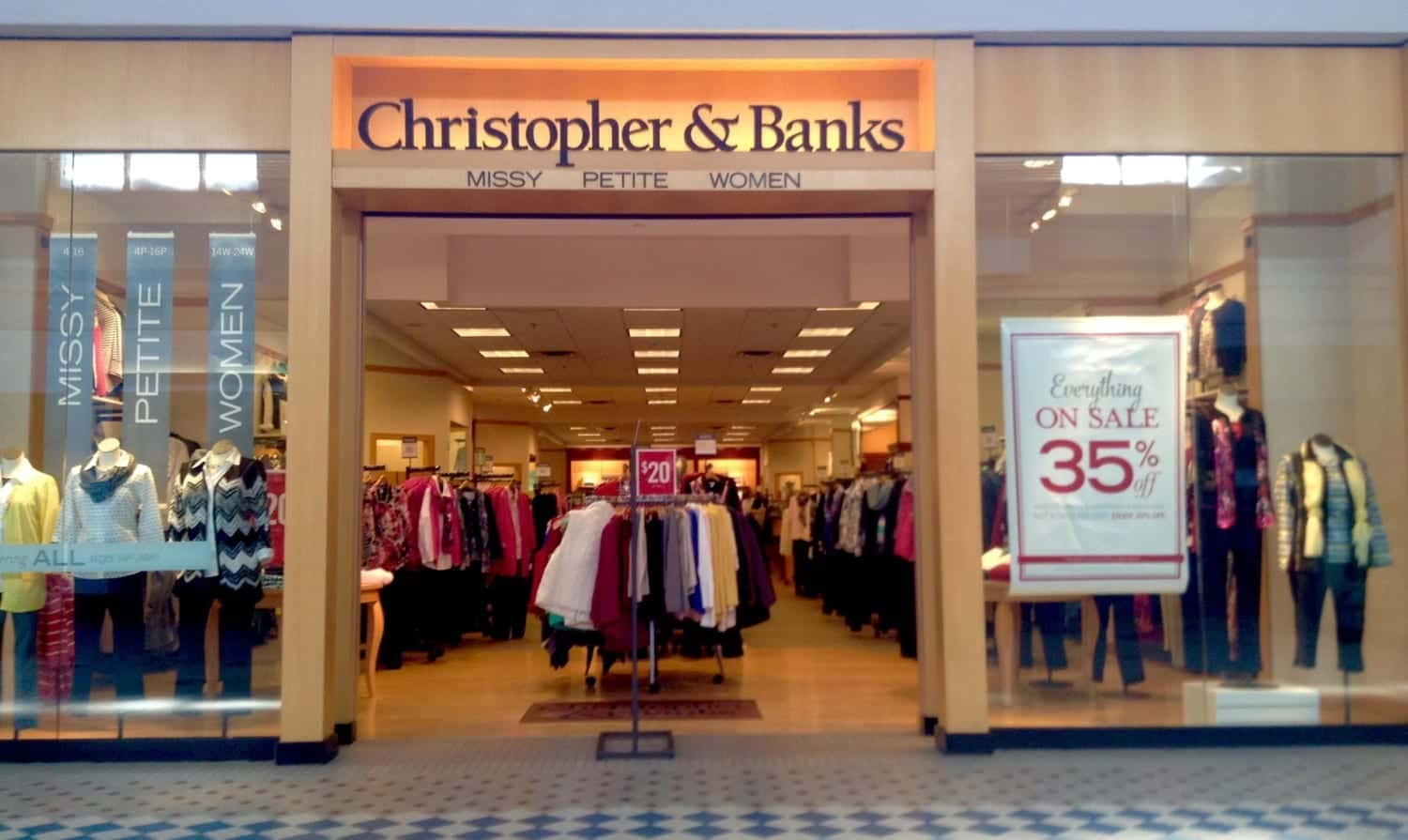
At the end of 2018, Christopher & Banks retailer of women’s wear announced plans to close down about 30 to 40 stores over the next two years. This does not mean, though, that revenues are declining around the board. The e-commerce division of the group has expanded and will continue to expand this year.
Christopher & Banks
Victoria’s Secret
Victoria’s Secret stopped operations in 30 of its stores in 2018 with expects to shutter further stores this year. In February, its parent firm, L Group, confirmed that it will shut 53 more women’s apparel and lingerie shops. Closings include about 4 percent of Victoria Secret’s 1,143 shops around the globe.
Victoria’s Secret
Henri Bendel
At the beginning of 2020, all of Henri Bendel’s two dozen stores were closed nationwide. Last fall of 2018, its parent company, L Brands, announced that Henri Bendel’s stores-including its famous location on Fifth Avenue, New York, and its website will be closing down. The company wanted to target other brands with higher potential, including Bath & Body Works and Victoria’s Secret.
Henri Bendel
Chico’s
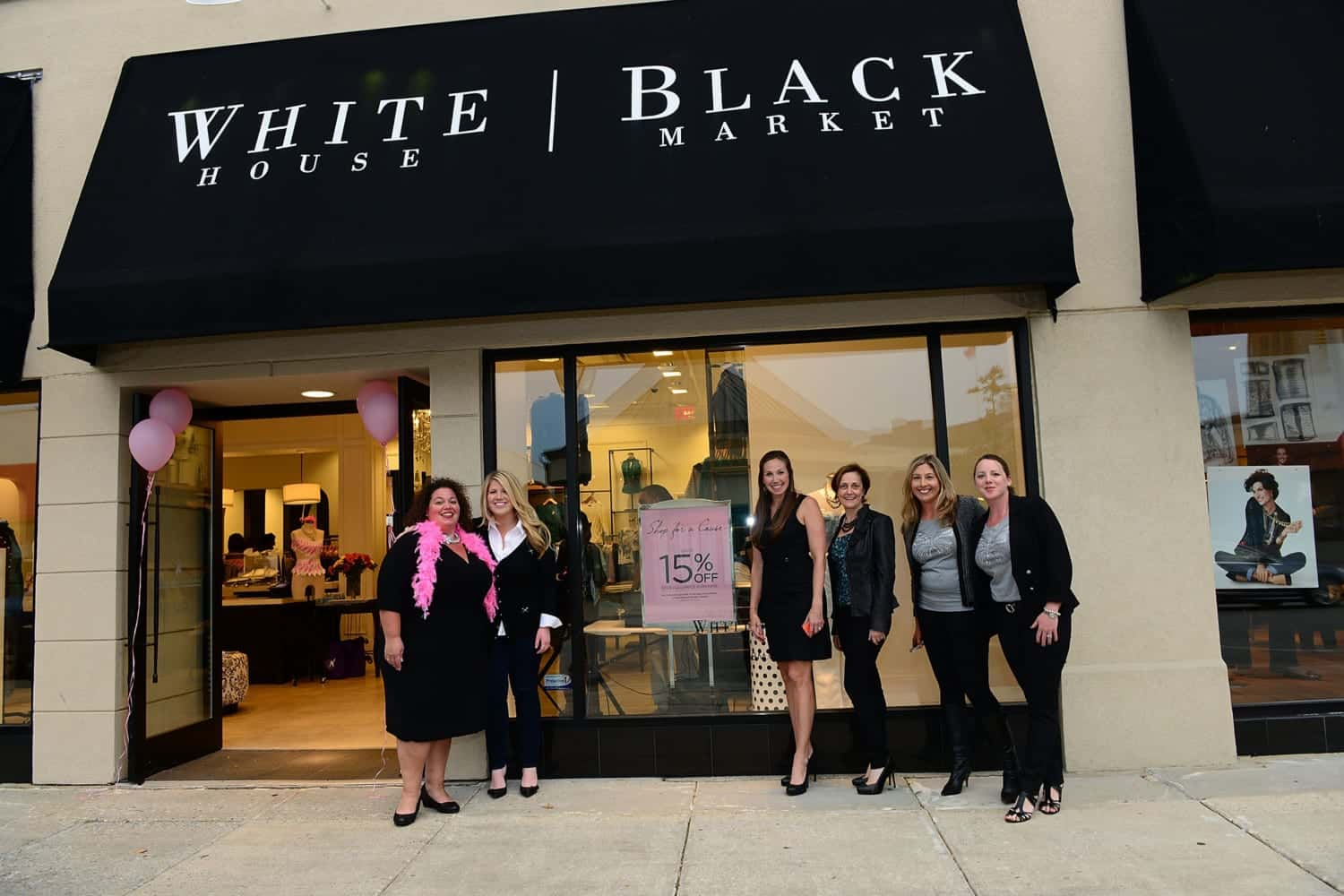
Chico’s FAS, the parent company of the women’s wear chain retailer Chico’s, will close 250 of their stores in the next three years. The stores concerned have its own name as well as its two other brands, Soma and White House Black Market. The organization has yet to announce the precise locations of the stores that are preparing for closure.
Chico’s
Kohl’s
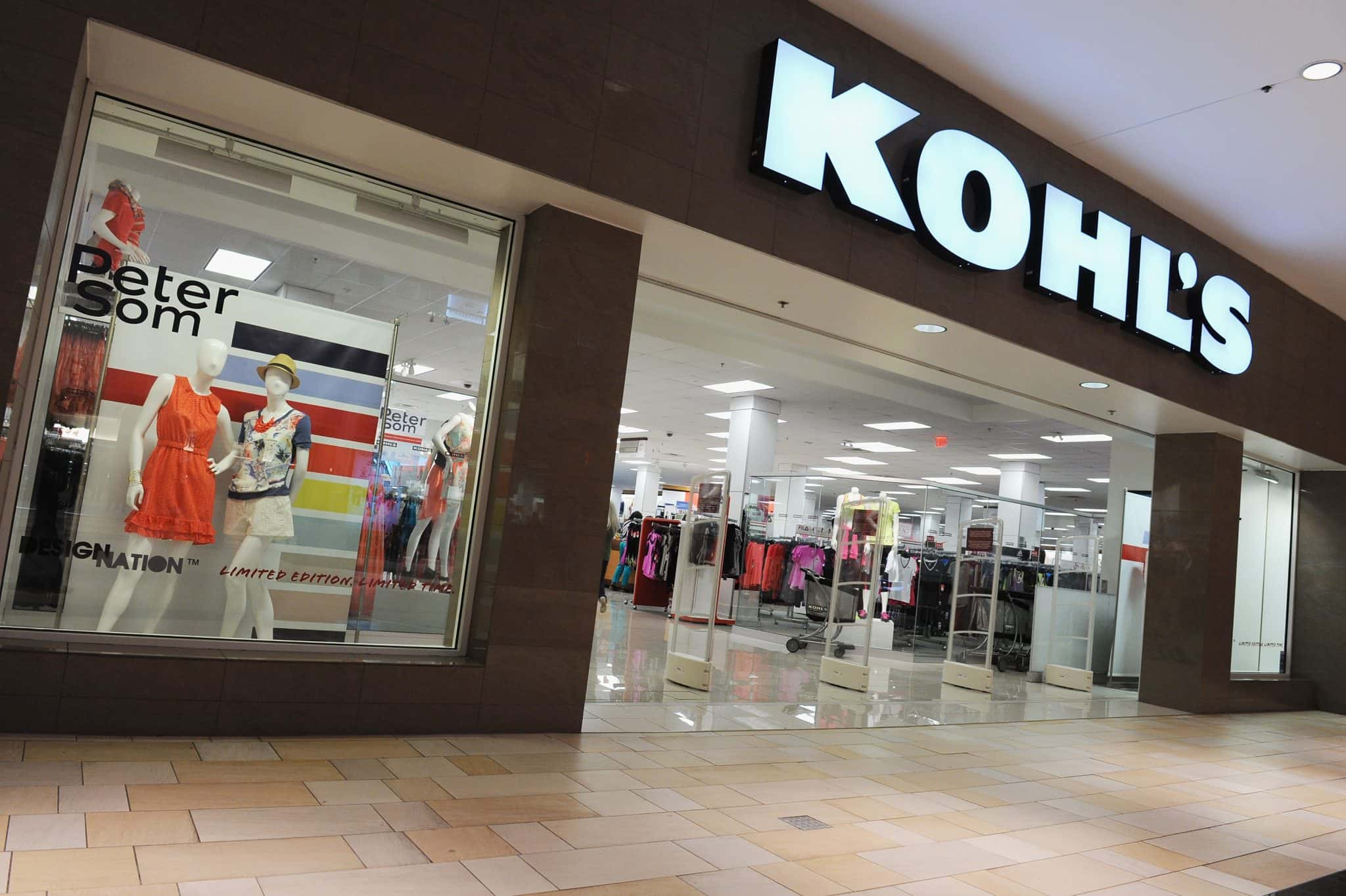
In order to avoid going through the same difficulties as other outlets in malls, Kohl’s plans to shutter four of its stores either located within or outside malls by 2020. The corporation reported that these shops were “lower-performing” and that workers at those outlets were either given severance pay or jobs at another Kohl’s shop. However, suspensions tend to be more of a way of avoiding any catastrophe than an immediate necessity. By opening four smaller shops the business will continue to run the same number.
Kohl’s
Lowe’s
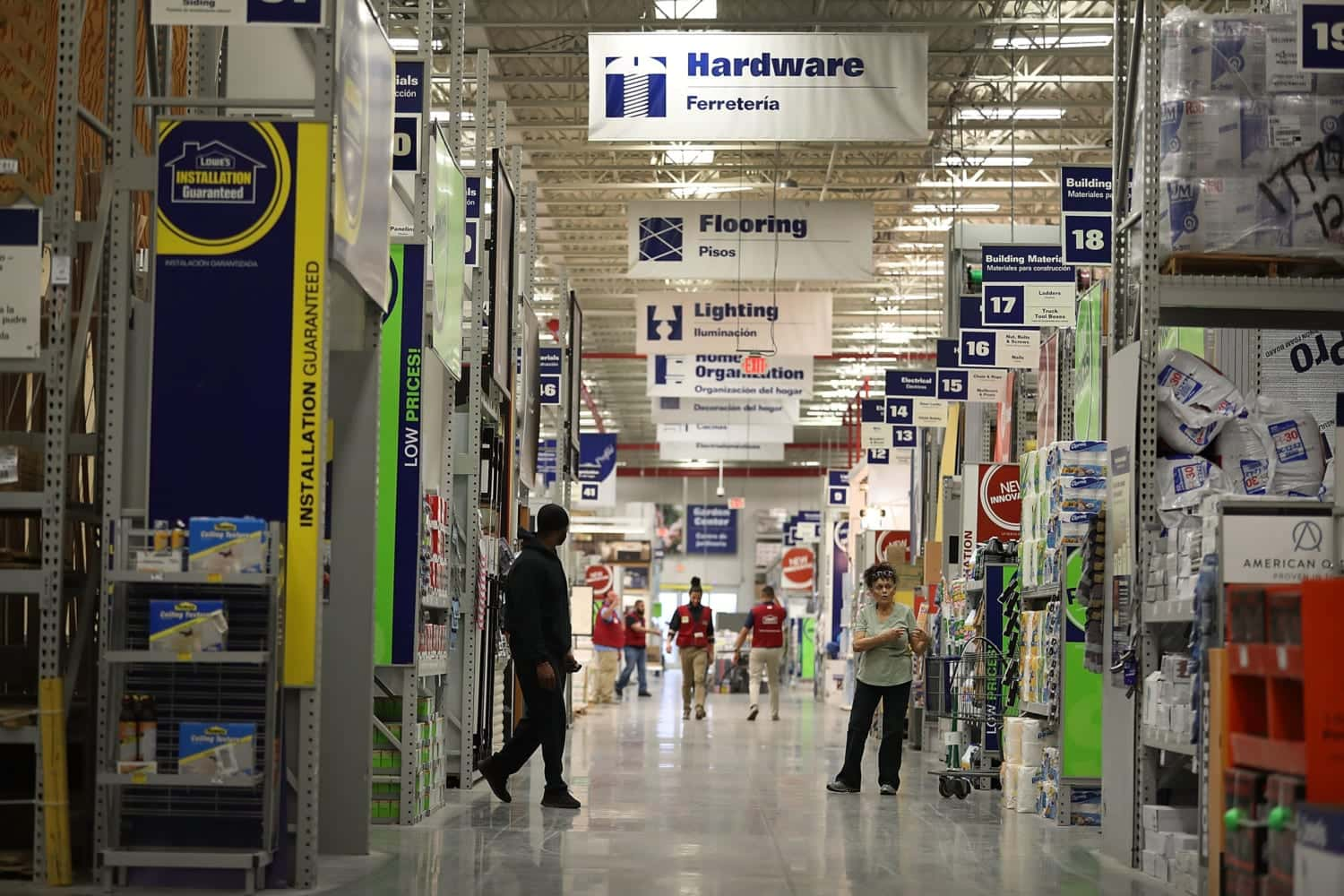
The famed home and garden distributor has since closed 51 of its shops that were all inefficient. This year the closing took place-20 outlets in the U.S. and 31 in Canada. Lowe had already revealed his intentions by 2018 and on 1 February 2020 he had set the date of closing the store. The move to the nearest stores came just after J.C.’s previous CEO Marvin R. Ellison. When Robert Niblock, Lowe’s long-standing CEO resigned, Penney took over the helm of the company.
Lowe’s
Family Dollar
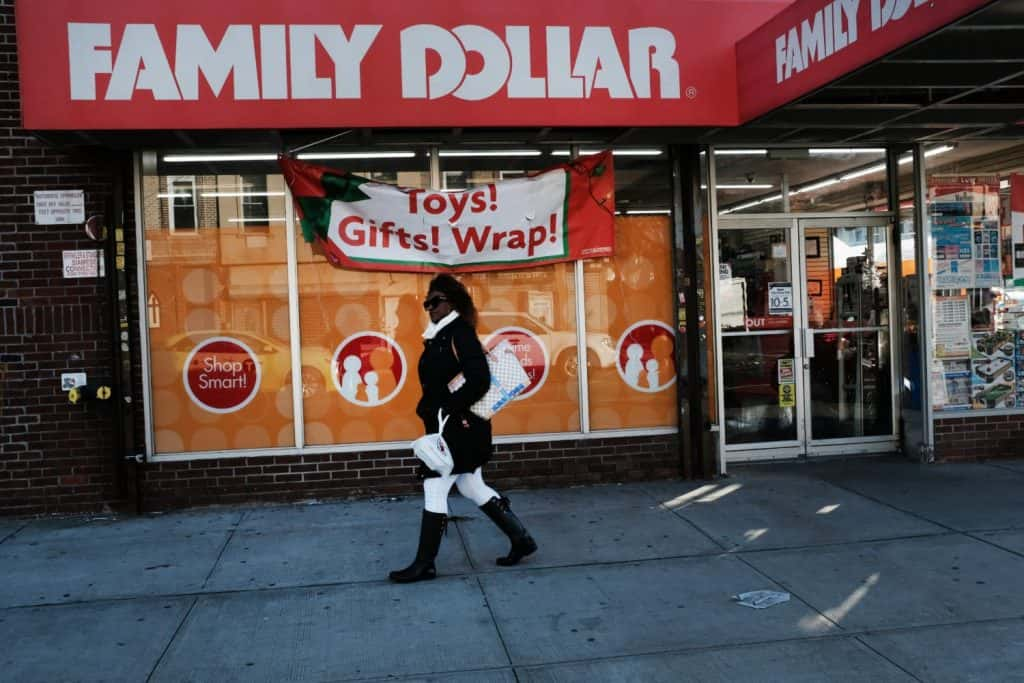
The discount chain Dollar Tree has announced that it will close about 390 Family Dollar stores by 2020. It will push its customers to search for another shop where they can purchase goods for personal care and other important things. The organization has also agreed to rename approximately 200 branches to the brand. It might not be the only change they will be making. They will soon start charging their customers in some stores for more than $1.
Family Dollar
e.l.f. Cosmetics
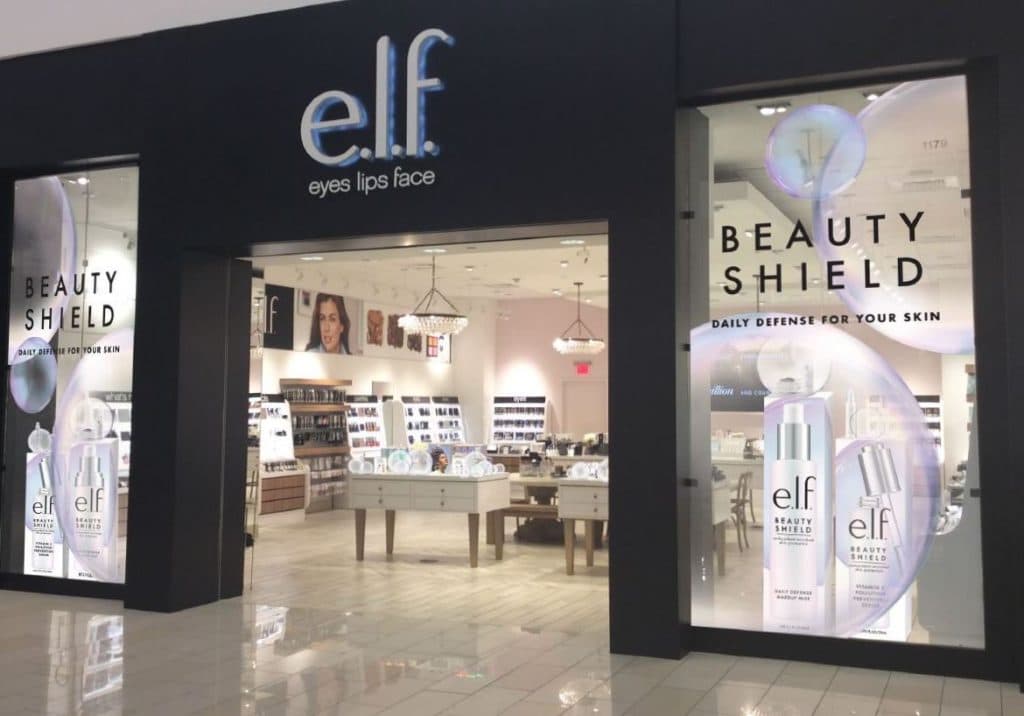
Like several other businesses, e.l.f. Cosmetics also closes its physical stores and will focus on its e-commerce business more. By the end of March, twenty-two stores of the beauty company had been closed. Yet customers of this brand need not worry, they can still take advantage of e.l.f. goods via their official website as well as in numerous drug stores throughout the world.
e.l.f. Cosmetics
J.C. Penney
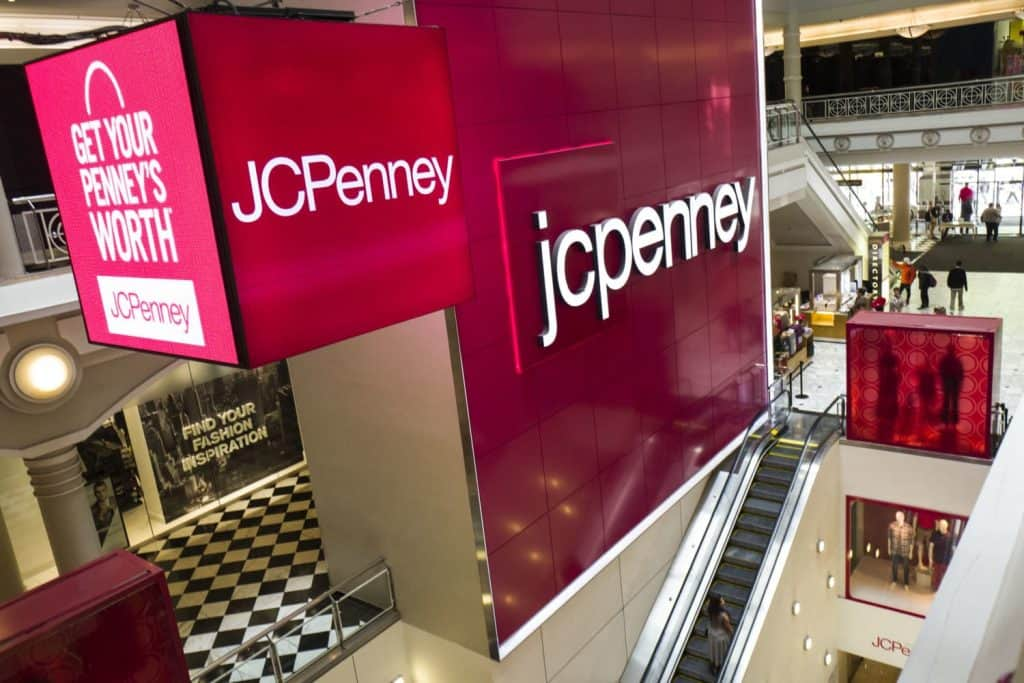
J.C. Penney has maintained its place as a staple mall for years, but, like many stores, it has seen a drop in revenue in the past few months. Since having endured a dry spell during the holiday season and a fall in its stock value, the company eventually revealed that it will shut down 18 of its department stores in 2020. It also will shut 9 of its furniture stores, taking the total number of store closures to 27.
J.C. Penney
Z Gallerie
This luxurious home decor business is also one of the several companies that have applied for bankruptcy over the last few months. Z Gallerie is said to have been trying to find a buyer to help save it. But in the meantime, 17 of its outlets will be closing down, which is around 20% of the overall amount of its outlets nationwide.

Z Gallerie
Destination Maternity
Destination Maternity Corp. would reduce its store footprint in an effort to revitalize the business as well as improve its e-commerce sales. Roughly 42 to 67 retailers would be impacted by the changes that will take effect over the year. Such reductions help to reduce the expense of the shop and increase the online footprint of the business. USA Today notes that the organization now wants to continue to operate fewer shops “with limited square footage to improve profitability.”

Destination Maternity
Beauty Brands
Beauty Brands planned on closing 25 stores back in 2018. In January, the firm, which also reduced the number of its corporate staff, filed for bankruptcy. When it filed for bankruptcy, it reported that the business had experienced a rise in operational costs as “a predominantly brick and mortar retailer.”

Beauty Brands
Things Remembered
After filing Chapter 11 bankruptcy last February, Things Remembered found a buyer to help save some of its stores around the country. Enesco LLC has acquired 176 locations from this store specialized in branded goods and customized items. Still, only a small portion of the business is saved by the purchase. Originally, it had 450 outlets at the time it applied for bankruptcy, which means that more than 250 shops would be closing.

Things Remembered
Ascena Retail
Ascena Retail is the parent company of a range of various women’s wear brands, including Ann Taylor, Loft, Dress Barn, and Lane Bryant. Overall, the company’s revenues have declined in recent years. In order to make up for the losses, the company plans to close down hundreds of its stores in all its brands. Approximately 667 sites are planned to be closed in total, the first 400 of which are scheduled to be closed by July of this year.

Ascena Retail
Southeastern Grocers
Supermarkets are also facing a range of business problems. Southeastern Grocers, which owns markets such as Harveys, Bi-Lo and Winn-Dixie, reported plans in shutting down 22 stores by March 25 of this year. The decision to close some of its stores came less than a year after Southeastern Grocers recovered from the collapse under Chapter 11. Initially, the bankruptcy resulted in the closing of 94 of its shops. Bi-Lo, out of the three brands, will lose the most because 13 of its stores will be shuttered.

Southeastern Grocers
Lord & Taylor
For more than a hundred years of operation, Lord & Taylor shut down the flagship store on Fifth Avenue last year. Regrettably, more stores are expected to shutter this year. Lord & Taylor will move up to 10 more stores in 2020, but they are yet to announce which stores are to be closing down.

Lord & Taylor
Foot Locker
Foot Locker Inc. announced the closing of 167 of its stores in March. It will invest aggressively in its remaining locations, saving millions on the operation. The change is an effort to increase the income margin. Shareholders of the shoe company were delighted by its strong results in the fourth quarter of last year.

Foot Locker
Macy’s
Macy closed 8 stores earlier this year. Closing is just part of the closing series planned and announced a couple of years ago. This proposal will have an effect on two stores in California and one store in each of these states: Indiana, Massachusetts, New York, Virginia, Washington, and Wyoming.

Macy’s
J. Crew
These days, J.Crew appears to be making the headlines sometimes. The firm began to close down 6 of its companies by January after it lost its CEO at the end of 2018. Closures as part of an ongoing plan to close 30 shops down. Last summer, this proposal was published. The precise number of locations to be closed to their targets, however, remains uncertain.

J. Crew
99 Cents Only
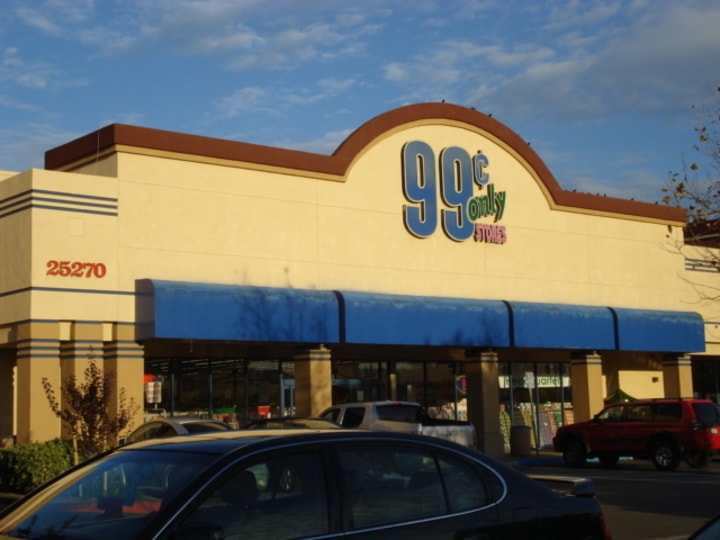
99 Cents also sells items at a lower price, dealing with major brands like Dollar Tree, Walmart and Dollar General. The Corporation announced a net loss of $27.1 million in December 2017, in addition to a loss of $42.4 million in the first and second halves. Finally, the 35-year-old company was sold to Ares Management, eventually finding its way to the Canada Pension Plan and then to a private individual. The new CEO, Jack Sinclair, announced some good sales from the same store, but unfortunately, 99 Cents Only is down, quickly.
99 Cents Only
GNC
GNC offers fitness and wellness related products, but even with the rise in customers trying to get fit, the company’s overall sales dropped by 3.4% in 2017. With debt in the trillions and a decline in its top-line revenues and earnings, GNC turned its focus elsewhere. With a big presence in China and an e-commerce platform with decent figures, they agreed to sell 40% of their stock to a Chinese pharmaceutical firm. This organization will produce, market, sell and distribute CNG goods in China.
GNC
Office Depot
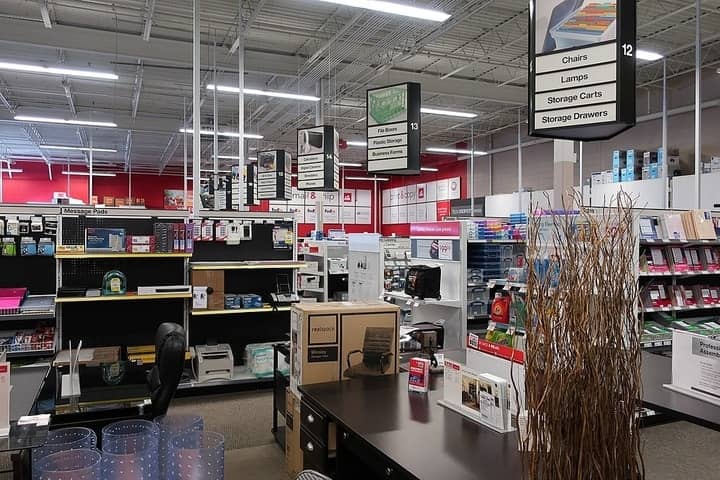
An office supplier, Office Depot just dropped a 7% decrease in revenue to $10.2 billion in 2017. Instead of concentrating solely on retail sales, CEO Gerry Smith says they’ll also begin to offer services. The move has already lifted the top-line of the company. Office Depot also provides a business-to-business service, a subscription system called “BizBox.”
Office Depot
Vitamin Shoppe
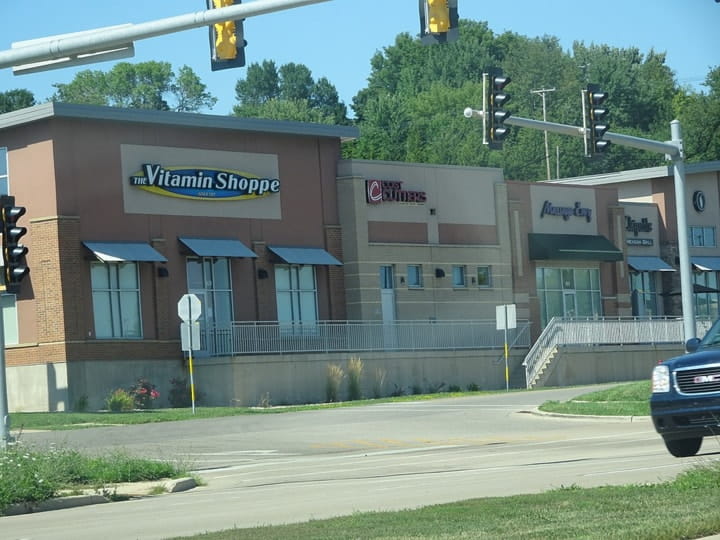
Vitamin Shoppe has similar problems to GNC. They have restored their e-commerce business and now have a subscription program in the workplace to fix these issues. But in 2017, its top-of-the-line revenues fell to $1.2 billion, down 8.5 percent. The decline in the popularity of the malls, as well as the rise in the number of rivals, is the reason why Vitamin Shoppe is in this predicament today. Let’s hope that expanding their ranges, launching distribution services, and doing marketing events would help them get out of the way.
Vitamin Shoppe
Neiman Marcus
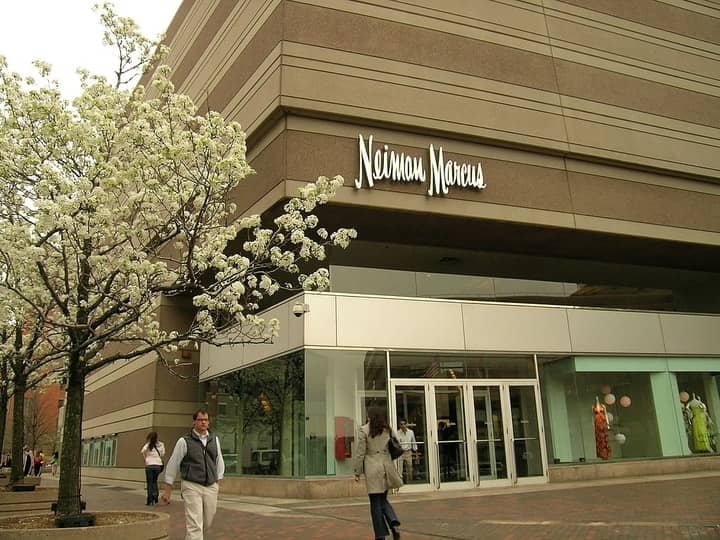
In the 2017 fiscal year, luxury retailer Neiman Marcus saw its top-of-the-line sales fall down to $4.7 billion, down by 5%. Some proposed solutions were to cut 200 jobs and create a “Digital First” customer engagement program. It was speculated that the Canadian corporation, Hudson’s Bay, would have bought high-end stores, but plans later failed.
Neiman Marcus
Bebe
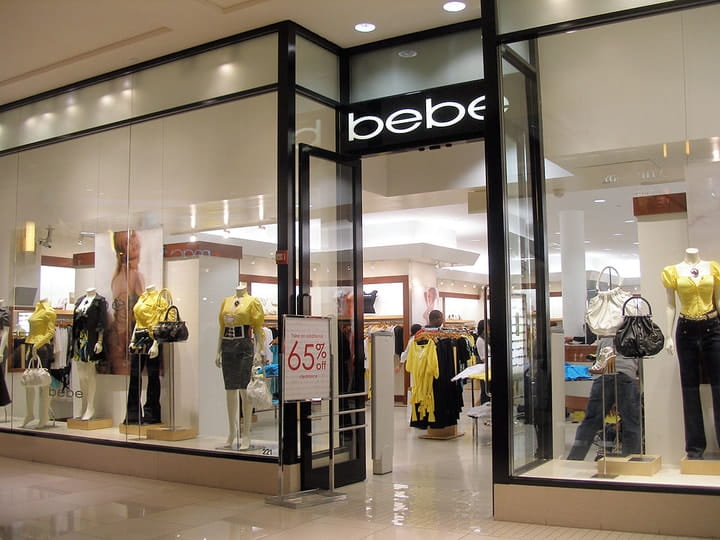
Since 2007, when artistic director Neda Mashouf left the company and divorced her husband Manny Mashouf, Bebe’s revenues have declined. Manny founded the brand in 1979 but faced setbacks with the recent downturn in malls and their popularity. The operating loss was listed around $4.6 million in 2018. The business agreed to pay $65 million to close its retail stores and concentrate on e-commerce.
Bebe
Pier 1 Imports
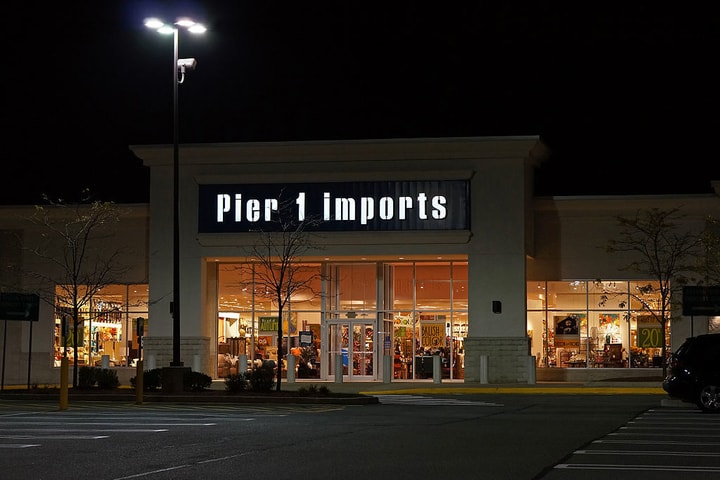
Pier 1 Imports saw a 9.2% fall in net sales in the first quarter of 2018, which translates to $371.9 million year-to-year. If this wasn’t a major enough blow, S&P Global analysts raised their credit rating. Current President Donald Trump’s 10% tariff on all Chinese goods is another explanation for their decline because more than half of their products are made in China.
Pier 1 Imports
Lands’ End
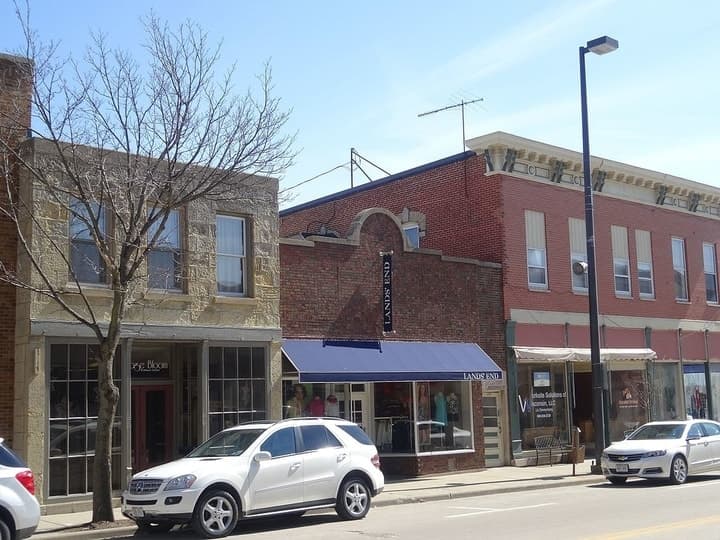
The brand of clothes, luggage, and home furnishings, Lands ‘End is not as popular with customers as it was in the past. The relationship of the company with Sears seems to be the source of all its problems. Although the brand’s sales of catalog products are high, former CEO Federica Marchionni has made some irreversible mistakes.
Lands’ End
Guitar Center
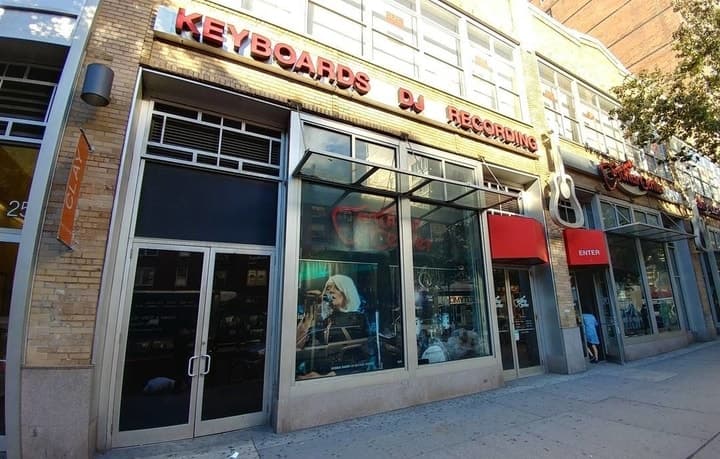
Guitar Center has been around for over 50 years, but today people tend to buy fewer guitars. The Rock ‘n’ Roll instrument manufacturer was issued a one-year debt payment of $900 billion as a result of a 36% decrease in sales from 2005 to 2016. Although they’re facing some issues late, they’re still planning to open new stores. The Executive Vice President of Merchandising and e-commerce said the business was in a transitional state and is still going fast.
Guitar Center
Nine West
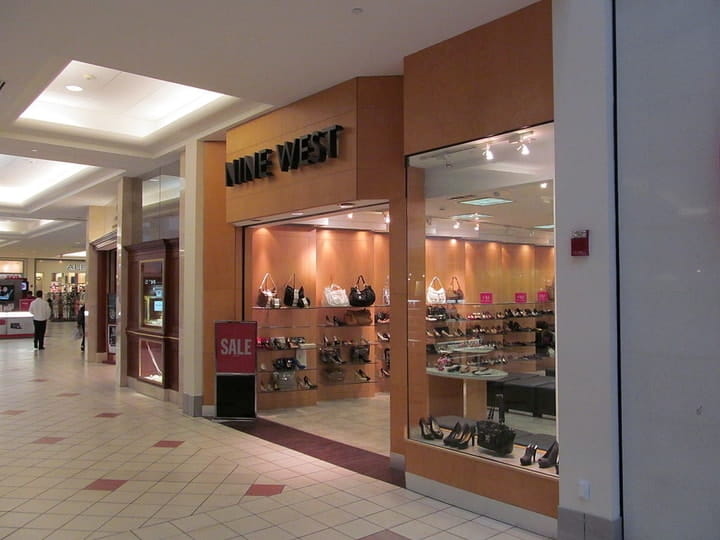
Shoe manufacturer Nine West is now looking to restructure by selling parts of the company and filing for the bankruptcy of Chapter 11, all due to a debt of $1.5 billion. They wanted to let go of their Easy Spirit brand and closed all but 25 stores. The company would also shy away from shoes and concentrate more on clothes and jewelry with brands such as Kasper Grouper, Anne Klein and One Jeanswear Group.
Nine West
David’s Bridal
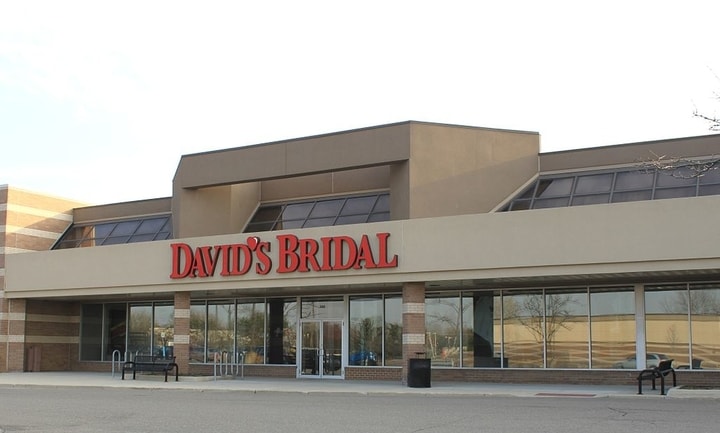
Expensive weddings and fancy dresses are just a thing of the past. More and more brides prefer the smaller events and more casual wear, which is bad news for wedding dress shops like David’s Bridal. The company is facing a dramatic decline in revenue and, on top of that, it has a $520 million loan due in 2020 and $270 million in unsecured notes due in 2020.
David’s Bridal
Cole Haan
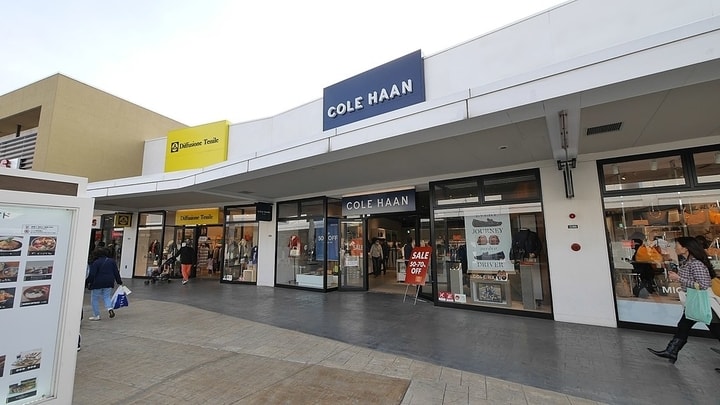
Cole Haan, a Nike-owned luxury footwear company, made the USA Today’s list of the riskiest companies in 2018. Cole Haan tried to shift her appearance by relying more on athletic shoes instead of dress shoes, but that’s always back-fired. When Apax Partners acquired the company in 2013, they agreed to do away with Nike’s popular comfort technology. We don’t appear to be changing.
Cole Haan
Claire’s
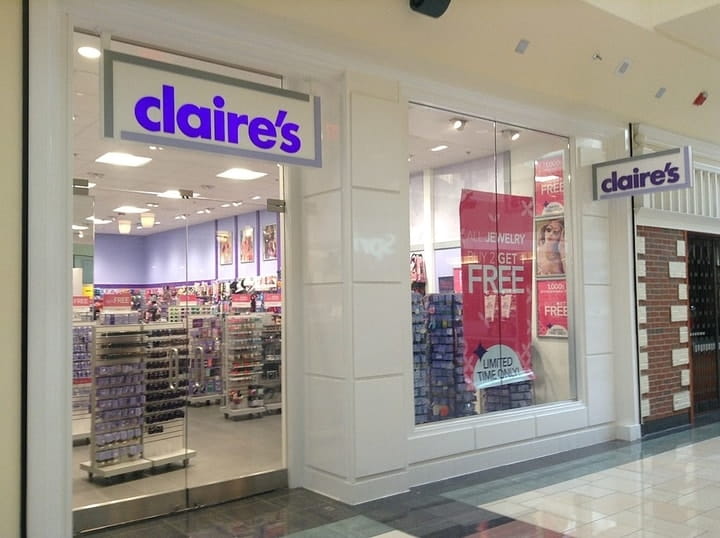
Accessories store, Claire’s was first established in 1961. They are also young girls’ favorite around the United States. The company recently ceased IPO and filed for Chapter 11 bankruptcy in 2018. As of May 2018, Claire’s shut down over 130 stores across the nation. The rest will go to potential buyers and investors.
Claire’s
Eddie Bauer
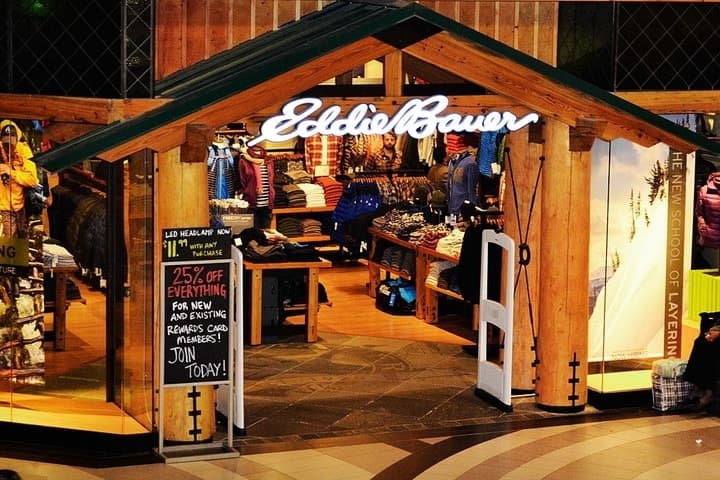
Eddie Bauer, a Bellevue-based outdoor company, came back from bankruptcy in 2009 but who knows what is next. S&P Global recently downgraded their credit score, after difficulties keeping up with trends. Eddie Bauer will most likely merge with Pacific Sunwear aka PacSun, located in California.
Eddie Bauer
Pet Smart Inc.
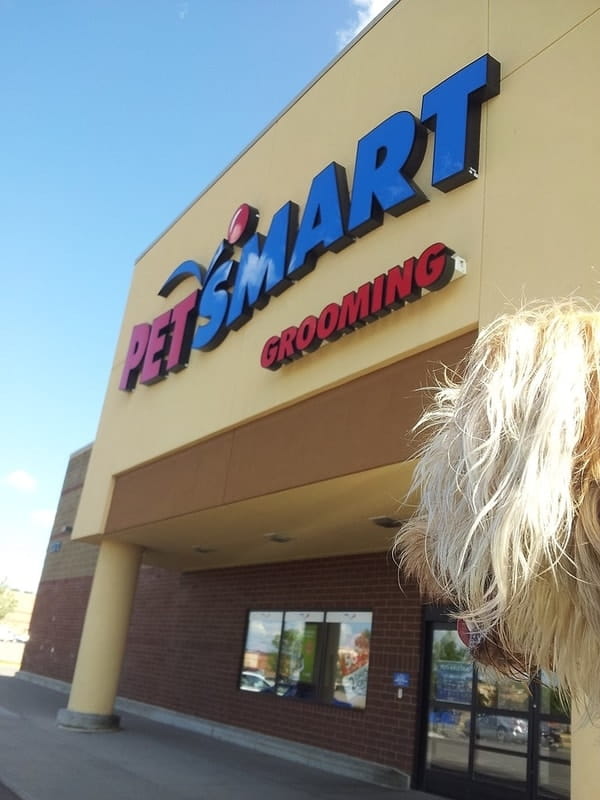
Pet product chain PetSmart Inc. has more than 1,500 stores in the United States, Canada, and Puerto Rico. They can attribute their $8 million debt to the e-commerce market, and more customers migrate to sites like Amazon. PetSmart recently acquired an e-commerce platform, Chewy, but the high price tag of $3.35 billion just boosted its debt sky-rocket. Can you imagine that this is the biggest one a company has ever paid for an e-commerce site?
Pet Smart Inc
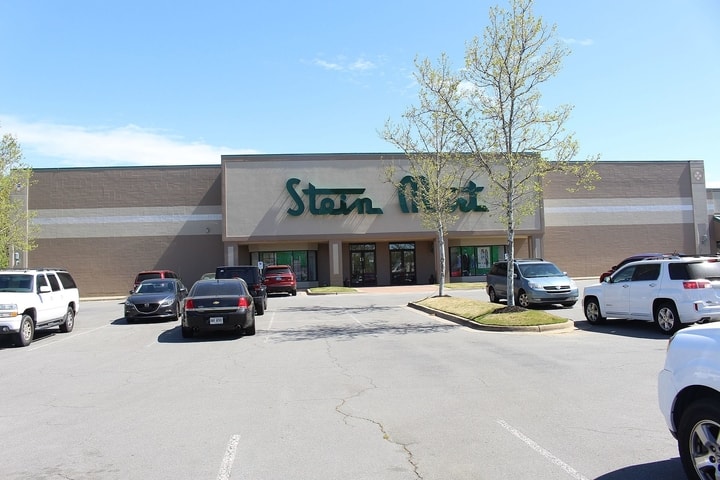
Stein Mart
Stein Mart, which is a discount department store located in Jacksonville, doesn’t seem to do well as of late. Even though raising their revenue by 47 percent in 2017, they posted a loss to the bottom line of $23.4 million. We hope that some consultants can support you quickly.
Stein Mart
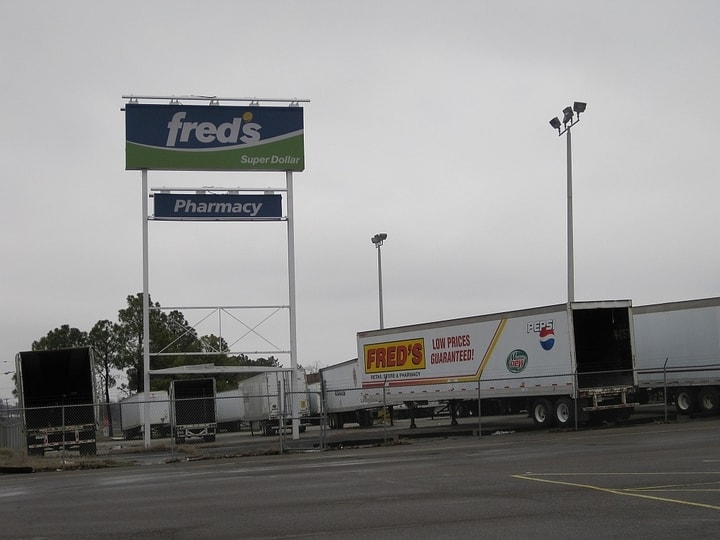
Fred’s Pharmacy
Fred’s Pharmacy planned to increase its stores in the United States from 600 to 1,000, but it never came true. The company’s gross revenues fell by 4.3 percent from the previous fiscal year and its bottom line was estimated to be $139.3 million. Fred’s CFO departed the company in 2018, making the former television executive the man in charge. Fred then sold his specialty company, CVS, for $40 million.
Fred’s Pharmacy
Full Beauty Brands Holdings Corp
FullBeauty Brands Holding Corp owns brands for men and women of a plus-size variety. Only some of the brands are Woman Within, fullbeauty.com, Jessica London, Ellos, Roaman’s, Brylane House, and KingSize. They blame Amazon for their falling sales in the first quarter of 2017, with revenue decreasing by 30 percent. With some new people in power, they expect to turn an increase in sales.

Full Beauty Brands Holdings Corp
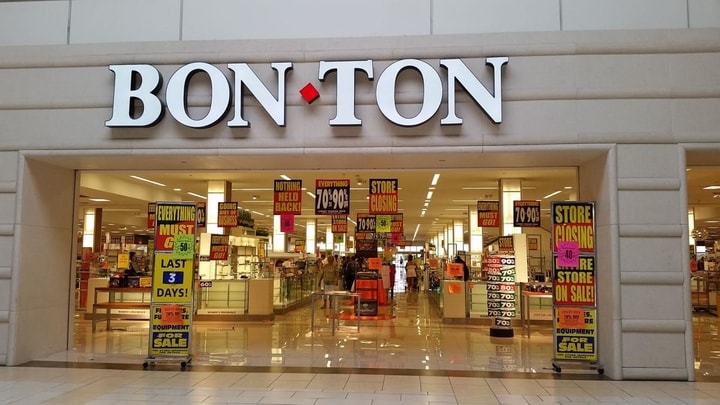
Bon-Ton
Bon-Ton has been around for 100 years, but all good stuff has to come to an end. Last year, the store filed for bankruptcy and was then sold and liquidated. Yet it re-opened for e-commerce in 2018 as well as the closure of a few stores. We were popular at first because they were at zero competition in small towns, but Amazon came along and changed things.
Bon-Ton
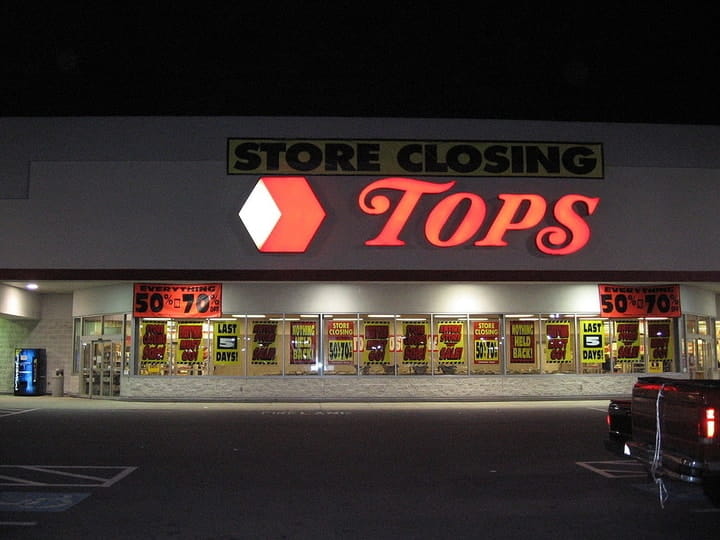
Tops Market
A corporation typically files for bankruptcy if it does not keep up with the changing expectations of its customers. That is exactly what happened to the Tops Market, an East Coast supermarket store. Although they filed for Chapter 11bankrupcy, customers living in Pennsylvania, Vermont, and NY will still enjoy the chain for now, as most of their stores in these states will remain open.
Tops Market